Nourishment
Meal Prep Like a Chef: The Lunch & Dinner Edition
A flexible Sunday system for easier lunches and dinners all week
- meal prep
- batch cooking
- kitchen
By Simone · 15 August 2026 · Updated 15 August 2026 · 8 min read
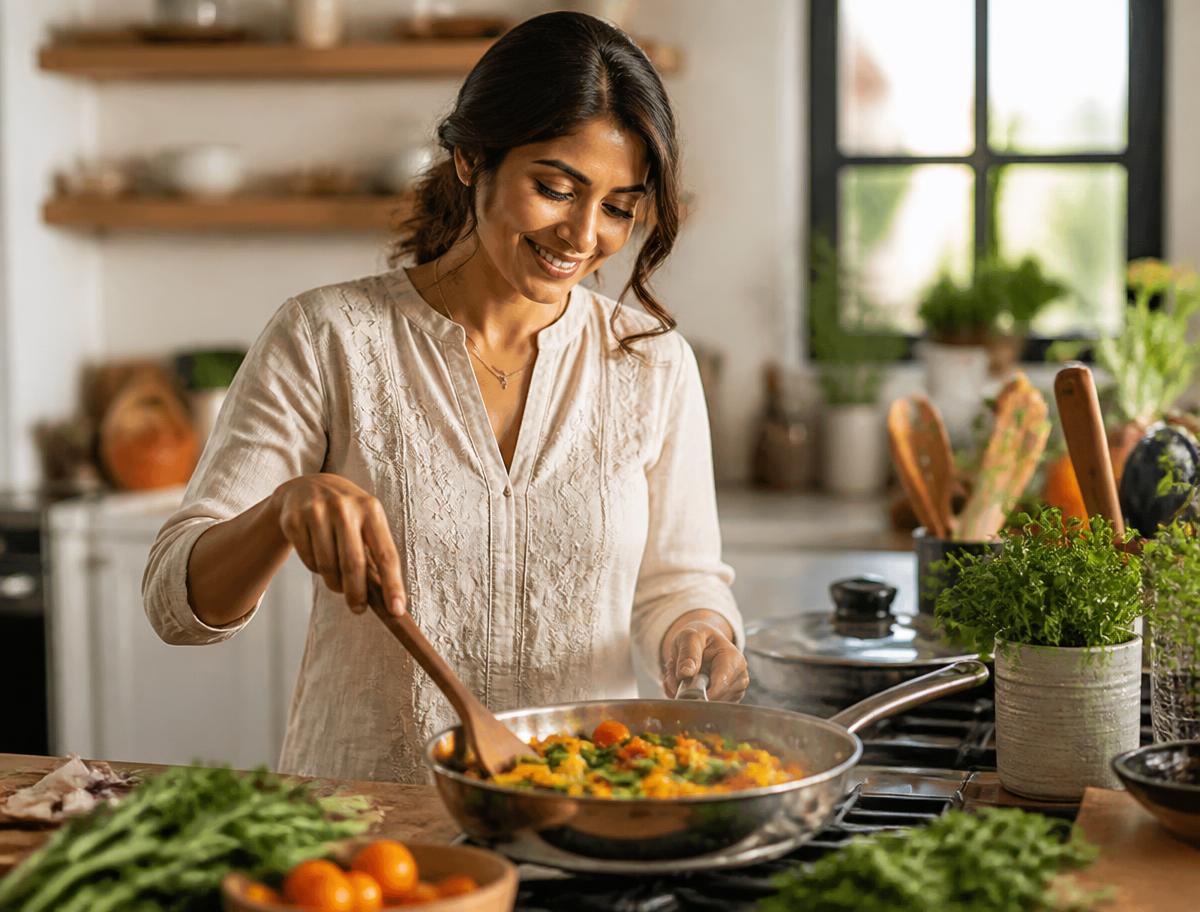
Meal prep often fails because it tries to turn an entire week into a single cooking session.
This edit focuses only on lunch and dinner: a simple Sunday system that gives you flexible components, a few good sauces and enough variety to keep weekday meals interesting—without turning your kitchen into a production line.
The chef’s mindset
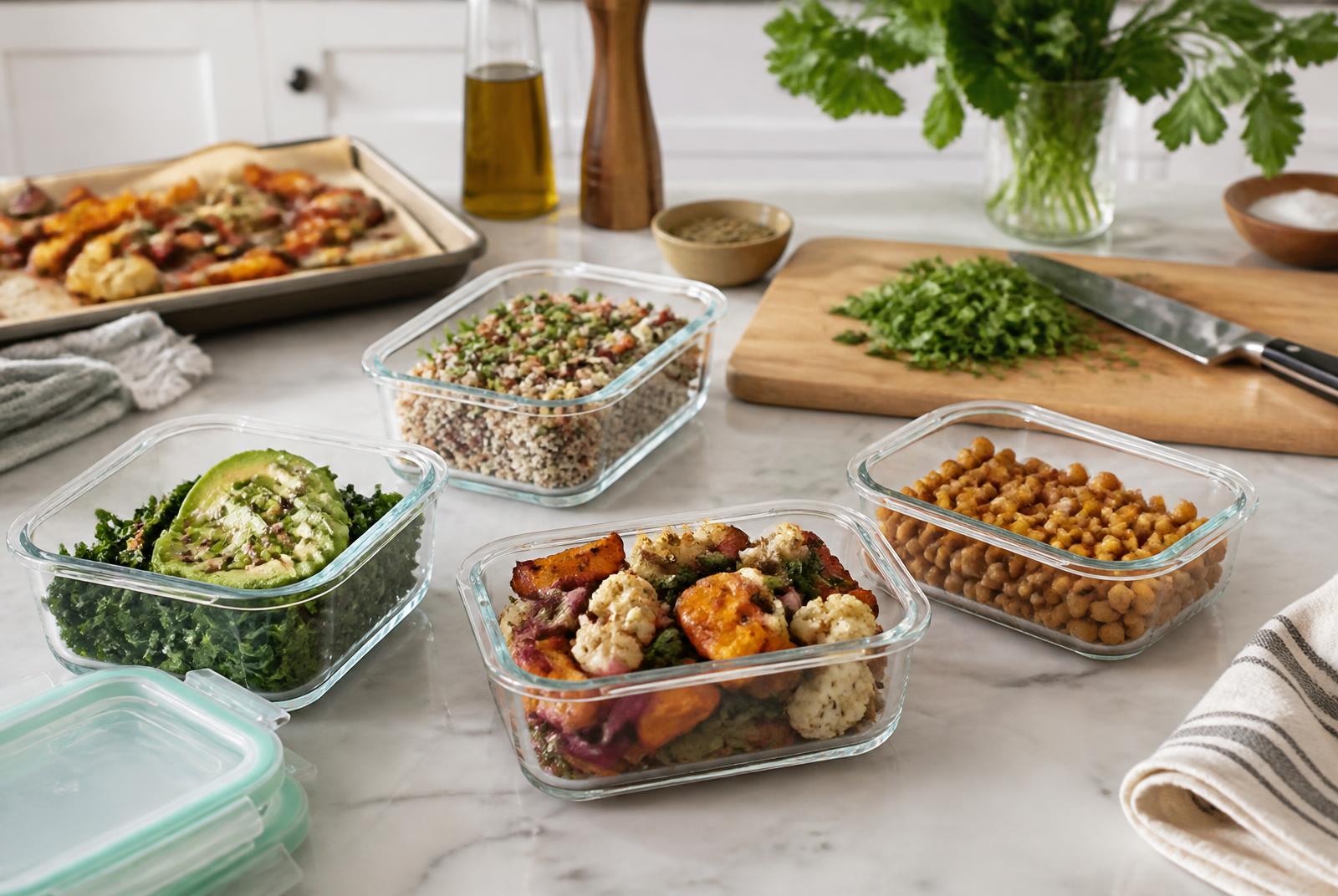
In a restaurant, chefs do not cook every dish from scratch at the moment it is ordered. They prepare components—sauces, grains, proteins, vegetables—that can be combined quickly when needed.
At home, the same idea works better than trying to pre-plate five different meals on Sunday afternoon.
Think in terms of:
- a grain or starch,
- a protein,
- a selection of vegetables,
- a sauce or dressing,
- and a few extras that add texture or interest.
Mix and match these through the week, and you have several different meals without repeating the same plate.
Step 1: Choose your anchors
Start by picking two or three “anchor” items that will form the base of most meals.
Grains and starches
Choose one or two that cook easily in larger batches:
- rice (white, brown, or a mix),
- quinoa,
- couscous,
- roasted potatoes or sweet potatoes,
- pasta or noodles.
Cook them simply: salted water for grains and pasta, oil and salt for roasted potatoes. Avoid heavy seasoning at this stage so they remain flexible.
Proteins
Pick one or two that reheat well:
- roast chicken thighs or a whole chicken,
- baked salmon or firm fish,
- lentils or beans,
- tofu or tempeh,
- minced meat cooked as a versatile base (for tacos, pasta, bowls or stir-fries).
Season these lightly so they can work in different contexts. A simple marinade of olive oil, salt, pepper and an herb or spice is often enough.
Vegetables
Aim for variety in colour and texture:
- a tray of roasted vegetables (carrots, broccoli, cauliflower, peppers, onions),
- a large batch of leafy greens (sautéed spinach, kale or chard),
- a raw element (shredded cabbage, sliced cucumber, grated carrot),
- something quick-pickled or marinated (red onion, radishes, carrots).
Roasting vegetables in the oven while you cook everything else is one of the most efficient moves. Toss them in oil, salt and a little acid (lemon or vinegar) and let the oven do the work.
Step 2: Build your sauces and seasonings
A sauce can turn the same set of ingredients into completely different meals.
Prepare two or three simple options:
- a lemony olive-oil dressing for salads and grains,
- a yoghurt-based sauce with garlic and herbs for bowls and roasted vegetables,
- a quick tomato sauce or pesto for pasta and grains,
- a soy-based dressing for noodles and stir-fries.
Store them in small jars or bottles. A good sauce makes leftover components feel intentional rather than repetitive.
Step 3: Cook in waves, not marathons
Instead of trying to cook everything at once, work in waves that match your equipment and attention.
Wave 1: Set the oven and the grain
- Put the tray of vegetables in the oven.
- Start the grain or starch on the hob or in a rice cooker.
- Season the protein and place it in the oven or on the hob, depending on what you are using.
Wave 2: Prepare the fresh elements
While the main items cook:
- wash and chop salad greens,
- slice raw vegetables,
- make the sauces and dressings,
- cook any quick-cooking greens such as spinach or kale.
Wave 3: Cool and store
Once everything is cooked:
- let hot items cool slightly before covering,
- store components separately rather than mixing them all together,
- label containers with the day or meal idea if that helps you stay organised.
This approach keeps the process manageable and prevents one burnt tray from derailing the entire session.
Step 4: Design your week around combinations
Instead of pre-assigning every container to a specific day, think in terms of combinations.
For example, with:
- roasted sweet potatoes,
- shredded roast chicken,
- sautéed greens,
- a lemony dressing,
- and a yoghurt sauce,
you could create:
- a grain bowl with chicken, sweet potato and greens, topped with dressing and yoghurt,
- a warm salad with chicken and roasted vegetables,
- a quick wrap or stuffed flatbread with chicken, greens and sauce,
- a simple plate of rice, sautéed greens and shredded chicken with a drizzle of lemon dressing.
The same components, different meals.
Write down three or four combination ideas rather than five rigid recipes. That gives you flexibility when plans change or you are too tired to follow a detailed plan.
Step 5: Keep a few “rescue” items on hand
Even the best system needs backup options.
Keep a small selection of items that can turn a basic component into a proper meal with minimal effort:
- eggs (for quick frying or scrambling),
- tinned fish (sardines, tuna, mackerel),
- cheese (feta, halloumi, mozzarella or a hard cheese for grating),
- tinned tomatoes or a ready-made sauce,
- frozen vegetables for quick additions,
- bread, tortillas or flatbreads.
These allow you to adapt your prep to your energy level and schedule without abandoning the system.
A simple Sunday template
Here is one example of a balanced, flexible prep session.
Grain:
Cook a large batch of brown rice or quinoa.
Protein:
Roast chicken thighs with olive oil, salt, pepper and herbs.
Vegetables:
- Roast a tray of carrots, broccoli and red onion.
- Sauté a large pan of spinach or kale with garlic.
- Prepare a simple salad base (shredded cabbage, cucumber, herbs).
Sauces:
- Lemon–olive-oil dressing.
- Yoghurt with garlic, salt and chopped herbs.
Extras:
- Hard-boiled eggs.
- A block of feta or similar cheese.
- A jar of olives or pickles.
From this, you can build:
- grain bowls with chicken, roasted vegetables and yoghurt sauce,
- warm salads with chicken, greens and lemon dressing,
- quick wraps with shredded chicken, salad and feta,
- simple plates of rice, sautéed greens and a fried egg.
Nothing needs to be identical. The goal is to make weekday cooking feel like assembly rather than starting from zero.
Storage and safety basics
To keep everything fresh and safe:
- Cool cooked food before covering and refrigerating.
- Store components in separate containers where possible.
- Use clear containers so you can see what you have.
- Aim to use most prepped items within three to four days; freeze portions you will not use in that time.
- Reheat food thoroughly, especially proteins and grains.
If your schedule is irregular, consider freezing individual portions of protein or grain for later in the week or the following week.
Make it yours
The point is not to copy a specific menu. It is to create a repeatable rhythm:
- choose two or three anchors,
- add a few vegetables,
- prepare two simple sauces,
- and plan combinations rather than rigid meals.
Some weeks you will prep more. Some weeks you will prep less. That is fine.
A system that holds is not the one that looks perfect on Sunday evening. It is the one that still feels useful on Wednesday night, when you are tired, hungry and short on time.
For the first meal of the day, read Meal Prep Like a Chef: The Breakfast Edition.
Found this useful? Save it for later.
Save to Pinterest